

This article discusses the subject of 5G radiation, which is a non-ionizing form of electromagnetic radiation. Because 5G radiation is so small, it does not have the ability to break the chemical bonds of biological tissues or cause any modifications to cells. It is not known if 5G radiation affects the risk of skin cancer, and no evidence has been found to suggest that it could cause other illnesses.
High-frequency millimeter radiation
High-frequency millimeter-wave radiation from mobile phones and wireless networks can cause adverse health effects for human beings. There are a few different ways in which this radiation could cause harm. In certain instances, the radiation can cause damage to someone's DNA. In other instances the radiation may cause harm to other areas in the human body including the brain.
Recent research has revealed that 5G technology can result in thermal heating in tissues. This is why researchers from the International Council on Non-Ionizing Radiation Protection (ICNIRP) has asked for a review of the existing safety standards for biological and thermal radiation. The current exposure standards don't protect people from extreme heat when exposed to pulsed millimeter wave radiation.
Skin cancer risk
There isn't a definitive answer at present to the question of whether the 5G radiation could cause skin cancer. However, it is believed that RF-EMFs from 5G behave like high-LET ionizing radiations. In turn, they can cause large amounts of free radicals that can be found in the skin. The FCC has not issued any specific guidelines regarding the dangers of 5G technology. Consequently, the debate on the subject continues.
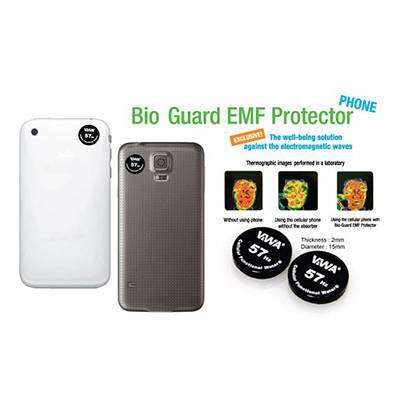

While there are plenty of studies regarding the impact of radio waves with higher frequencies on human health, these studies have been largely limited in scope. However, there is concern over the effects of millimeter-wavelength exposure on oxidative stress and gene expression. The effects could extend to the skin as well as other organs, including the brain.
Influence on other illnesses
An innovative new technology in wireless, 5G, is rapidly growing in popularity however, scientists are warning of its potential health hazards. 5G technology is expected to significantly increase the quantity of electromagnetic radiation that is found in our environment. 5g radiation is a problem that has led to debates in a variety of countries, including Switzerland. In September 2017, 390 scientists and doctors supported a motion for the suspension of 5G technology. This motion was not heeded by the European Commission, which is responsible for controlling the use of 5G technology.
As a result it is necessary to conduct more research to determine the health impacts of 5G. While we wait research has shown that 5G does not cause the same effects in humans as radiation from older mobile networks. It also does not spread a new type of coronavirus. In addition it doesn't make people more vulnerable to infections caused by viruses.
Exposure measurement
Monitoring exposure to 5G radiation is an important aspect in ensuring the safety of 5G networks. There are two methods to gauge exposure. One is to measure the RF power absorption by human tissues. Another is measuring the amount of radiofrequency energy produced through an object. The term "radiofrequency energy" (RF) is an energy field that comes through radio transmitters.
In the United States, the FCC has implemented a limit on the power density of mobile devices running 5G. These tests only measure power density at the distance of only a few inches. they do not require measurements of every beam. FCC does not require measurements of every beam. However 5g radiation poisoning is possible to determine the energy density for each beam can be determined by computer simulation. 5g radiation symptoms is selected depending on the design of each beam.
Study limitations
There has been a lot of debate about the impact of 5G radiation on the health of humans. In the case of 5G, for instance. 5g radiation , for example has released an assessment that concludes that the technology has no adverse health effects in the short-term, but there aren't any studies which have shown long-term impacts. But, the report has a variety of issues and bias in reporting.
The frequency and power of radio waves that generate energy will depend on the frequency. The energy that is carried by a millimetre-wave will be similar to the current radio waves, but they are much less visible and will be more suitable for environments with high density, since they will not be blocked by glass or walls. High-density urban areas would require many smaller, low-power locations, and suburban areas will be better served by 5G sites operating at lower frequencies.